
David Wojnarowicz

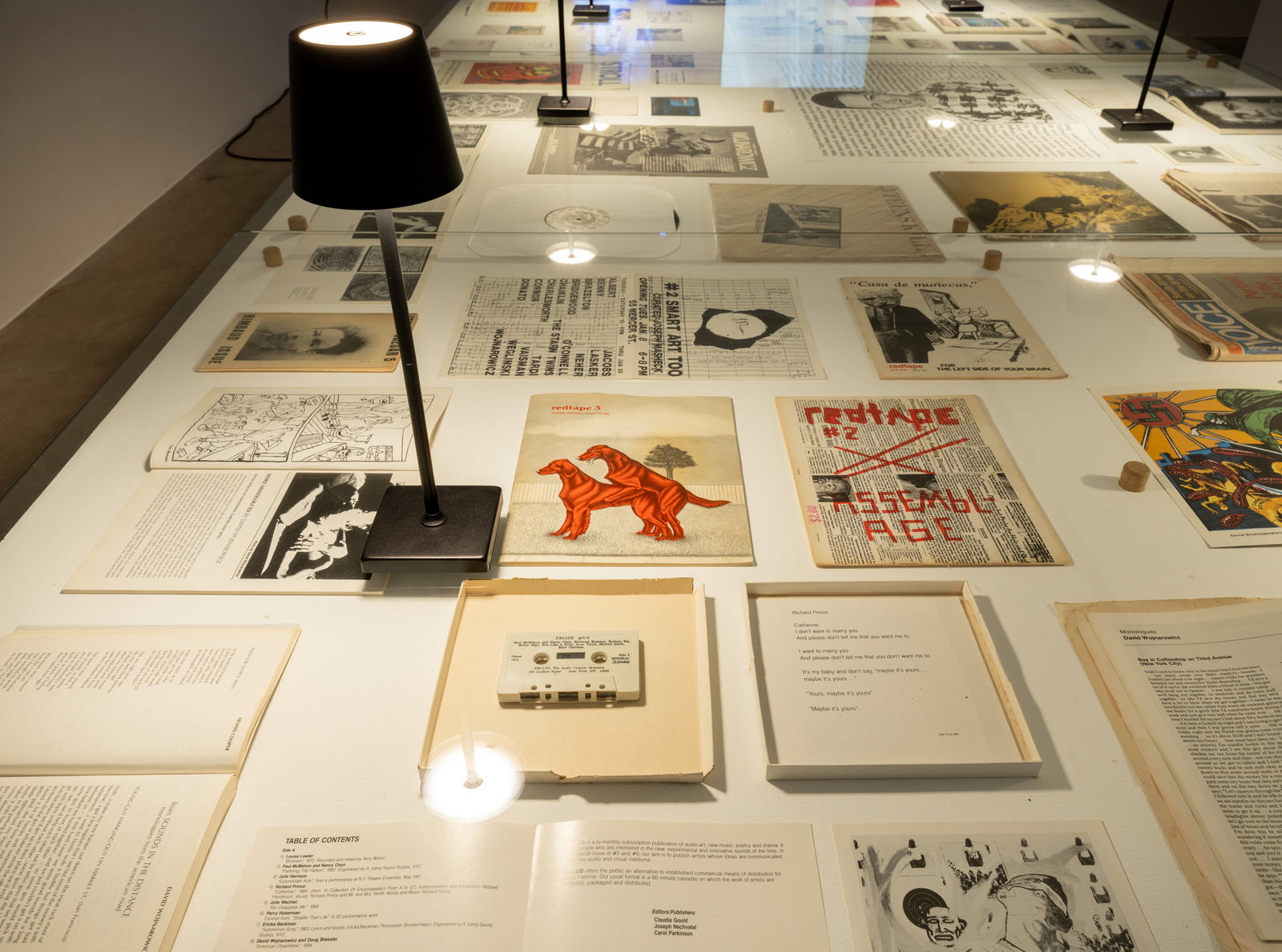
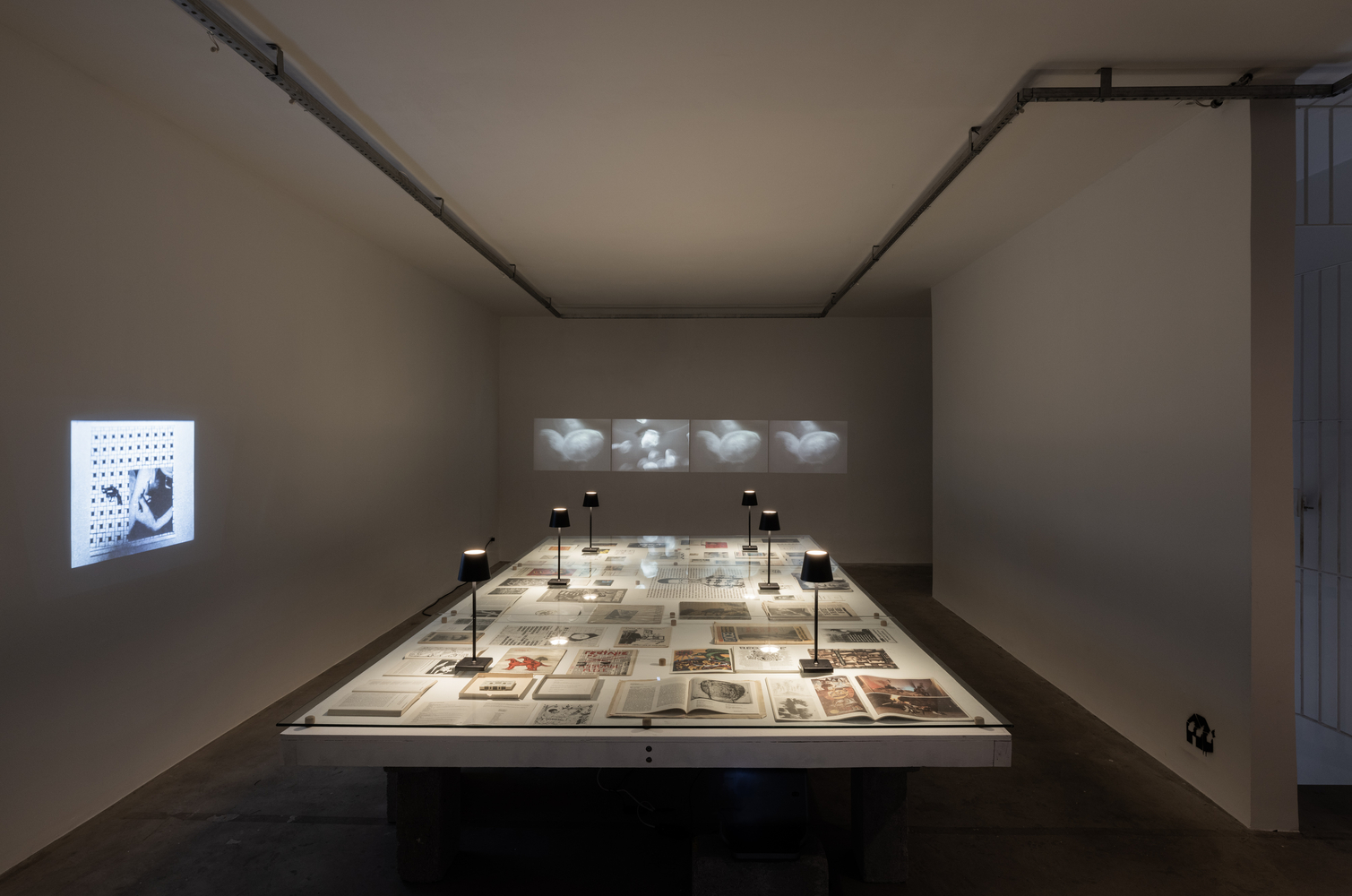
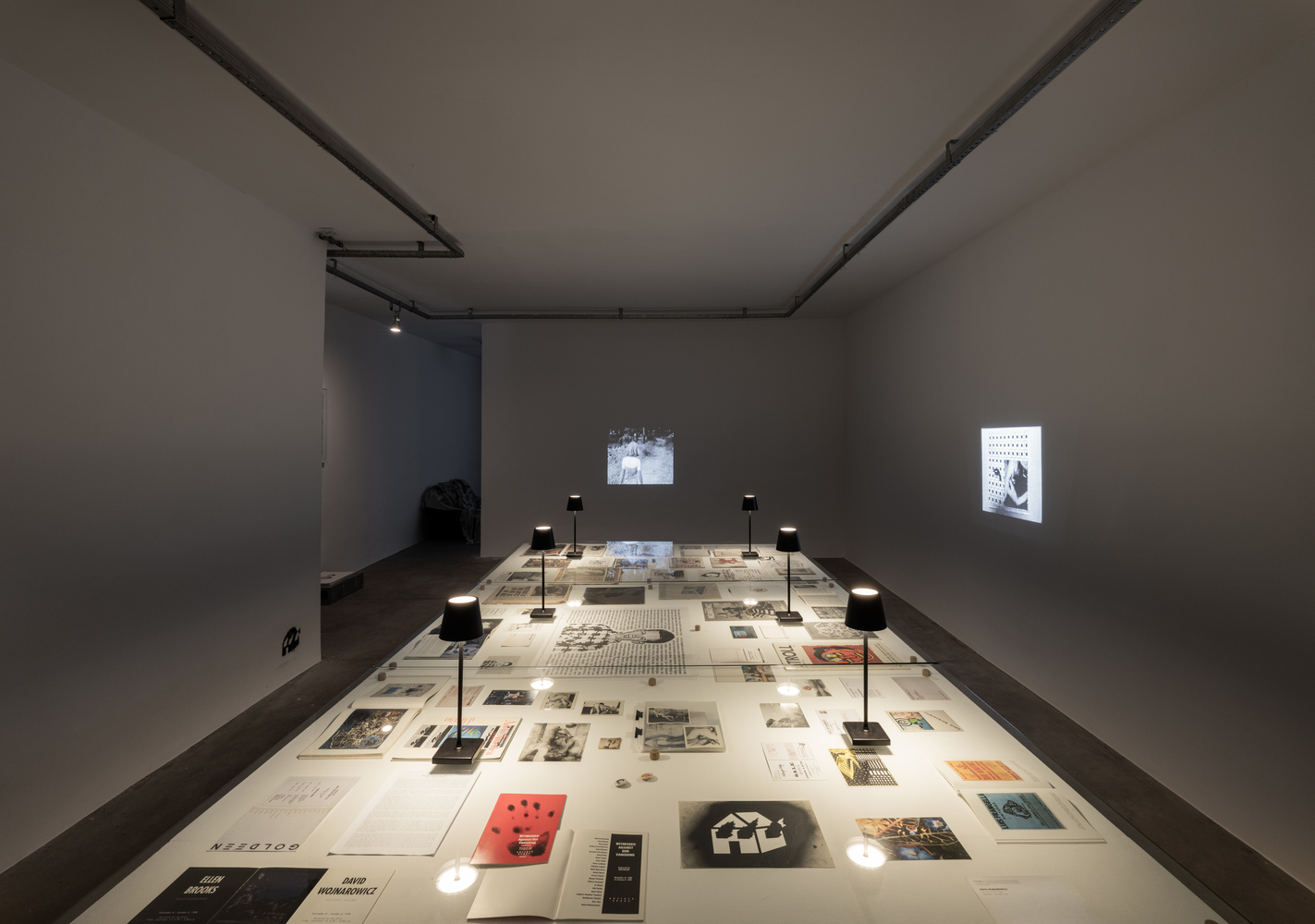
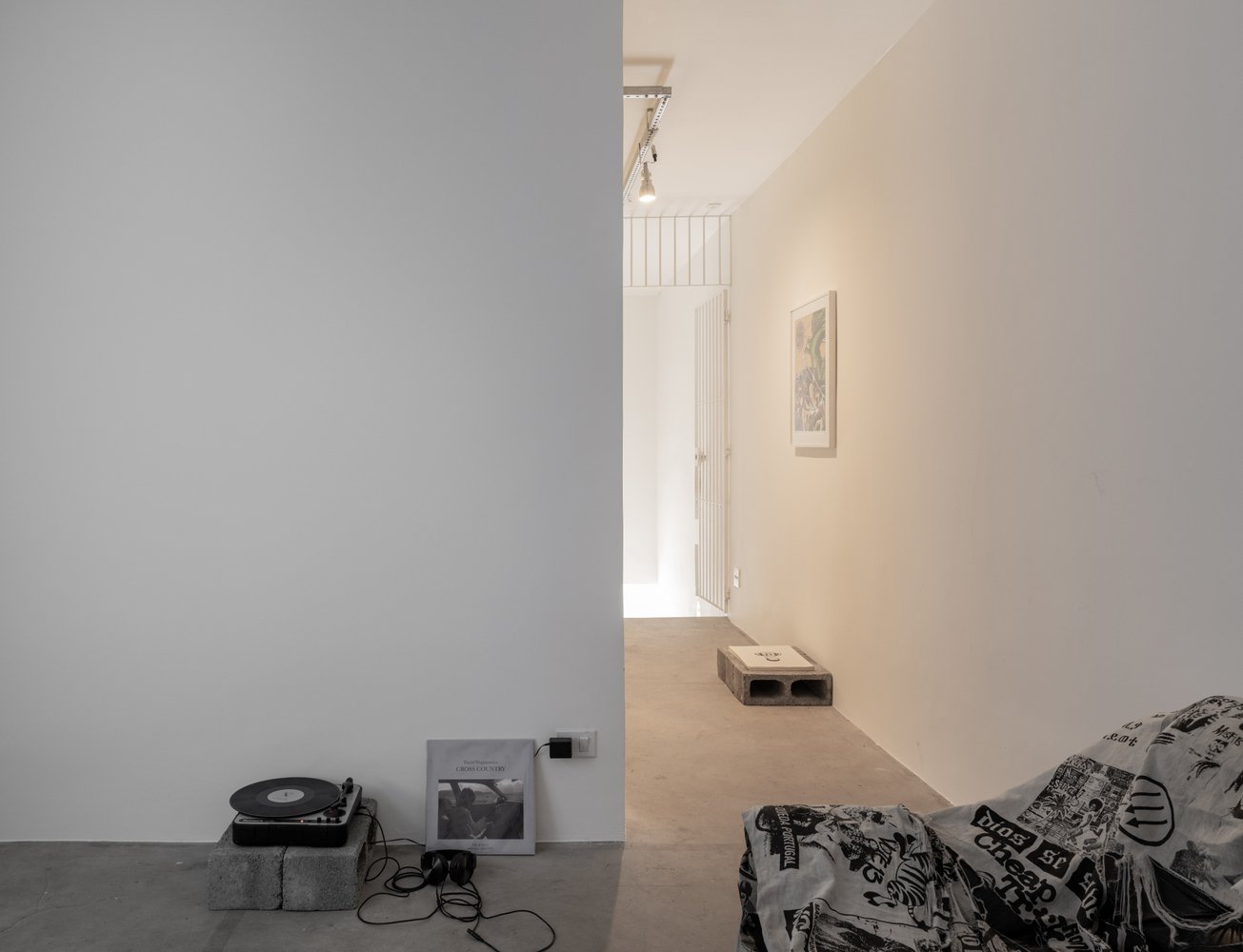
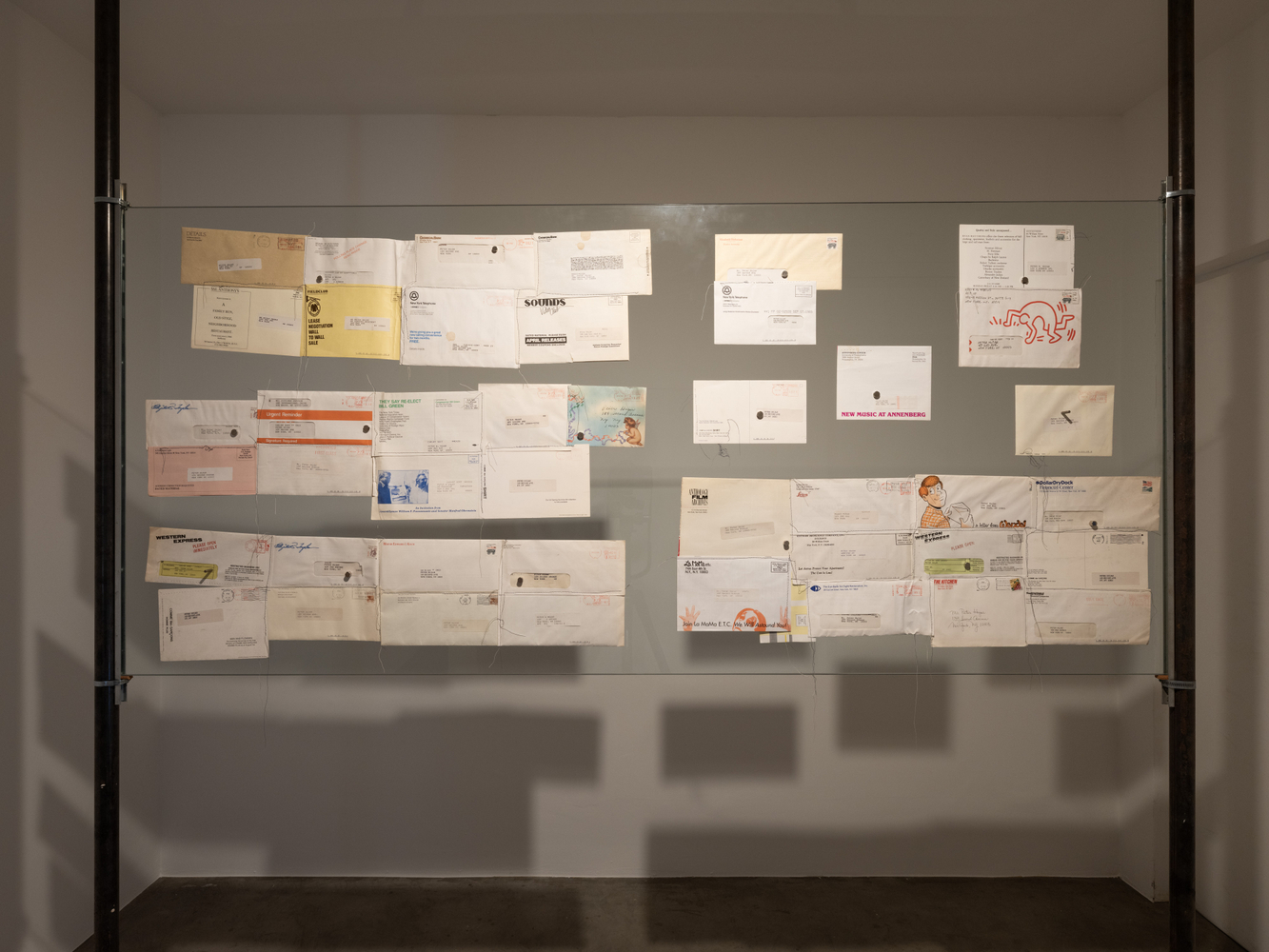
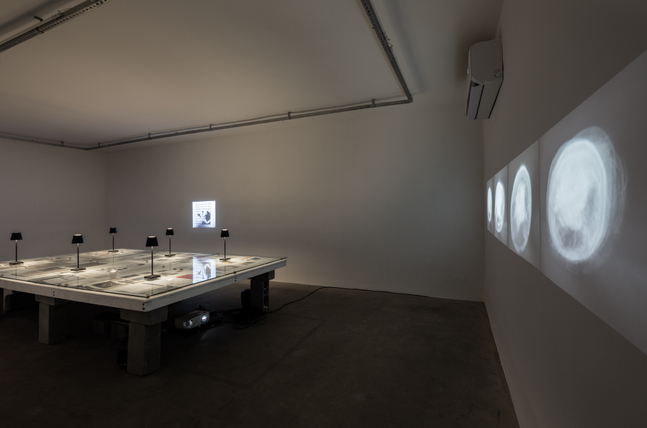
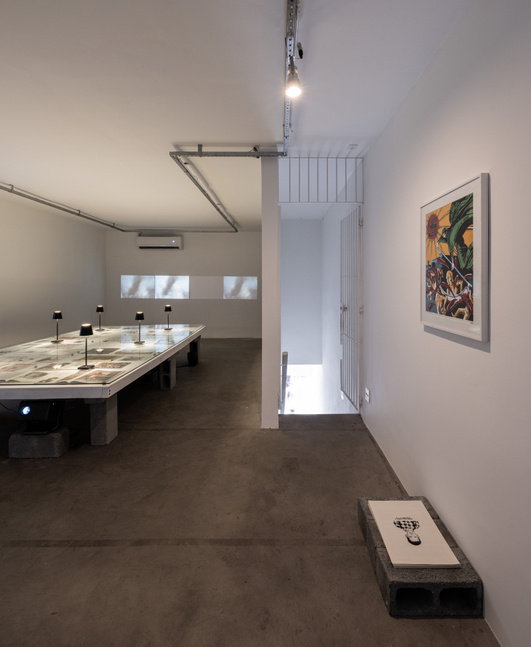
David Wojnarowicz: Ephemera & Film (Installation View) coleção moraes-barbosa, São Paulo, Brazil, January 24 – March 21, 2026. Photo: Ding Musa.
David Wojnarowicz (1954–1992) emerged as one of the most compelling voices of the 1980s East Village art scene. Largely self-taught, he worked fluidly across disciplines such as writing, film, performance, and activism, creating a body of work that was at once fiercely political and profoundly personal. Combining found and discarded materials with an incisive literary sensibility, Wojnarowicz forged a distinctive artistic language that reflected both the urgency of his time and his own complex world.
Initially exhibited in the raw storefront galleries of downtown New York, his work soon gained national attention. Diagnosed with HIV in the late 1980s, Wojnarowicz became an unflinching voice in the fight against the AIDS crisis, aligning himself with activist movements such as ACT UP (AIDS Coalition to Unleash Power) and the artist collective Gran Fury. Until his death in 1992, he produced a body of work that remains as conceptually rigorous as it is stylistically diverse.
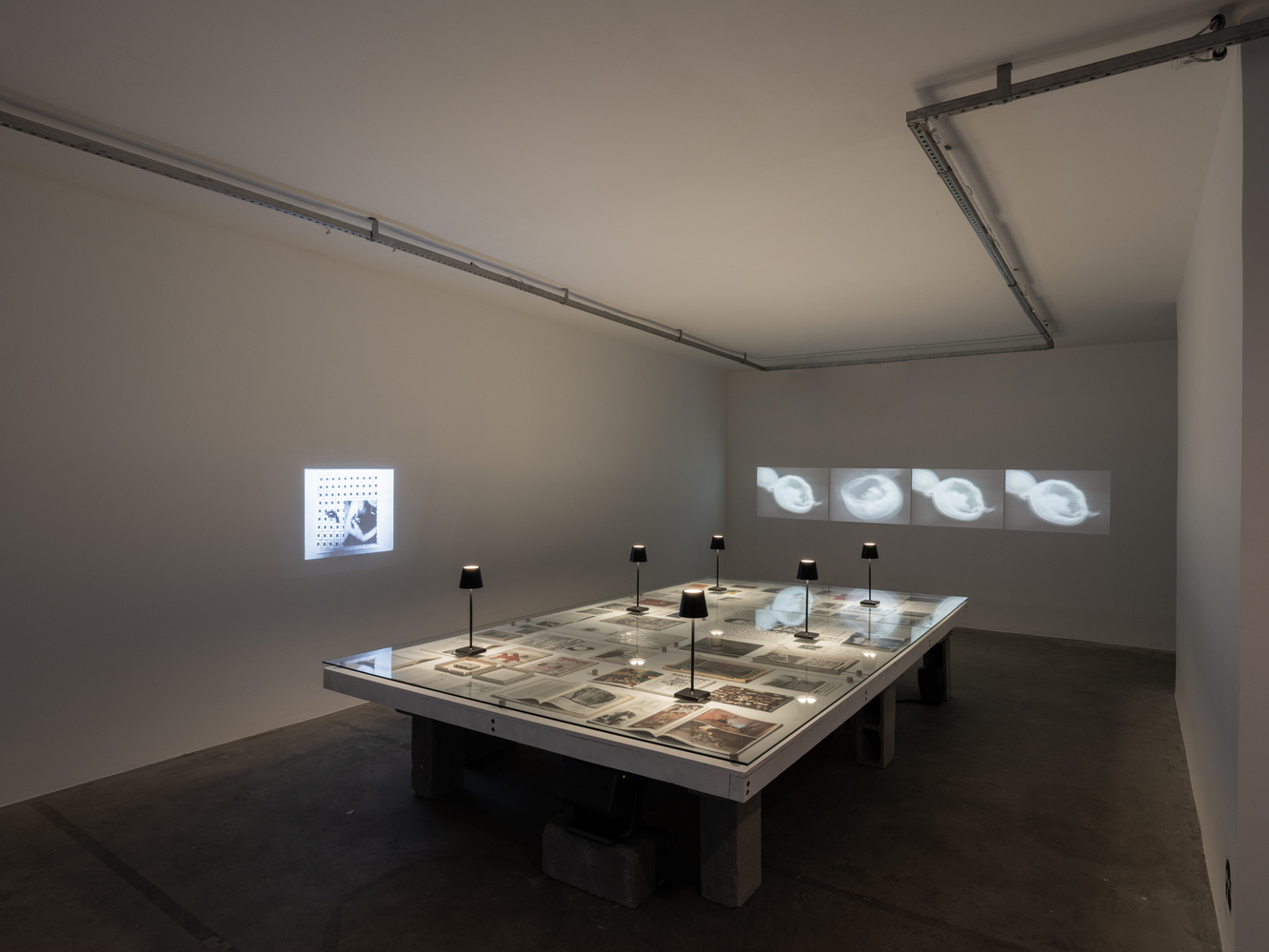
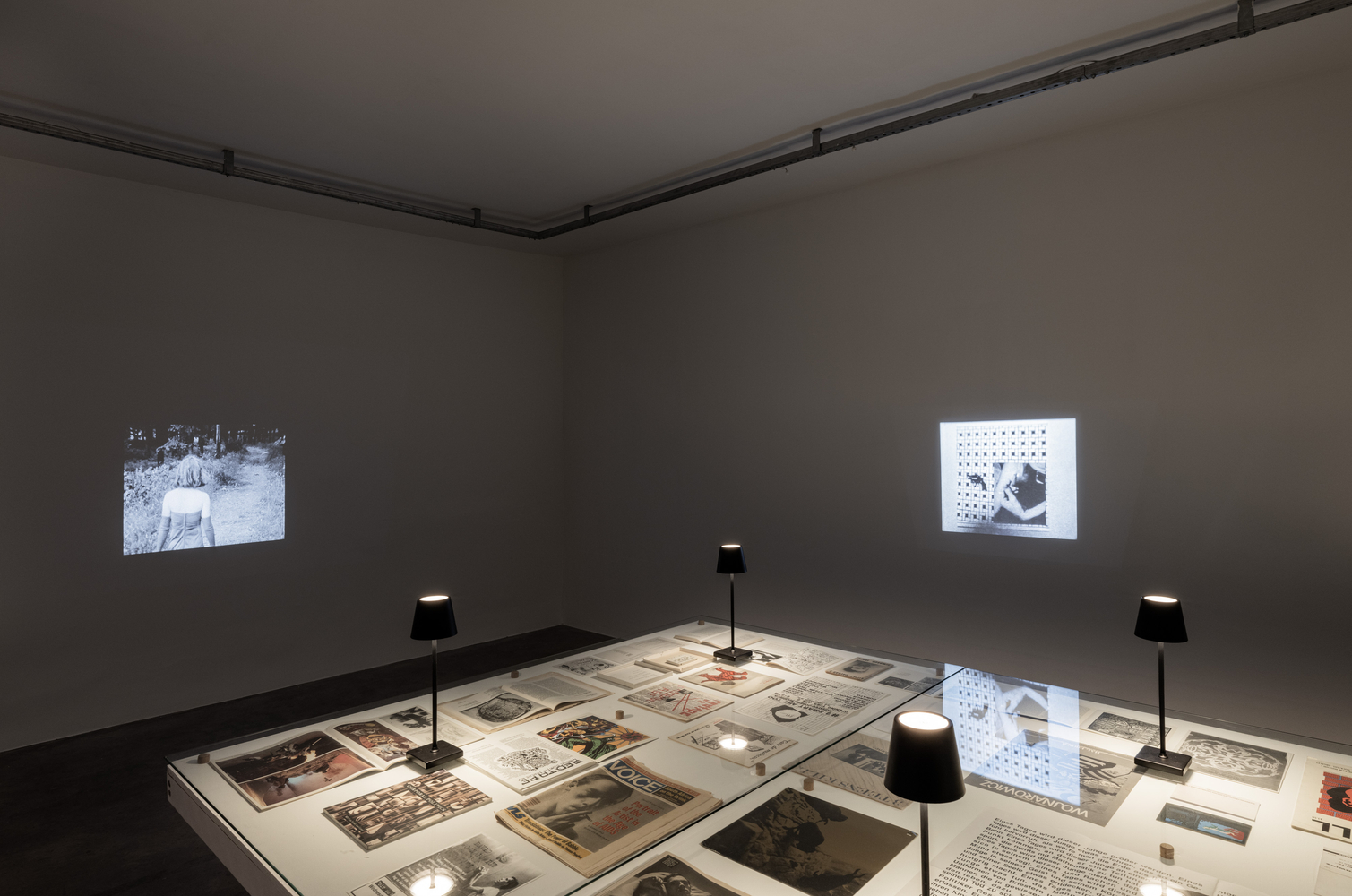
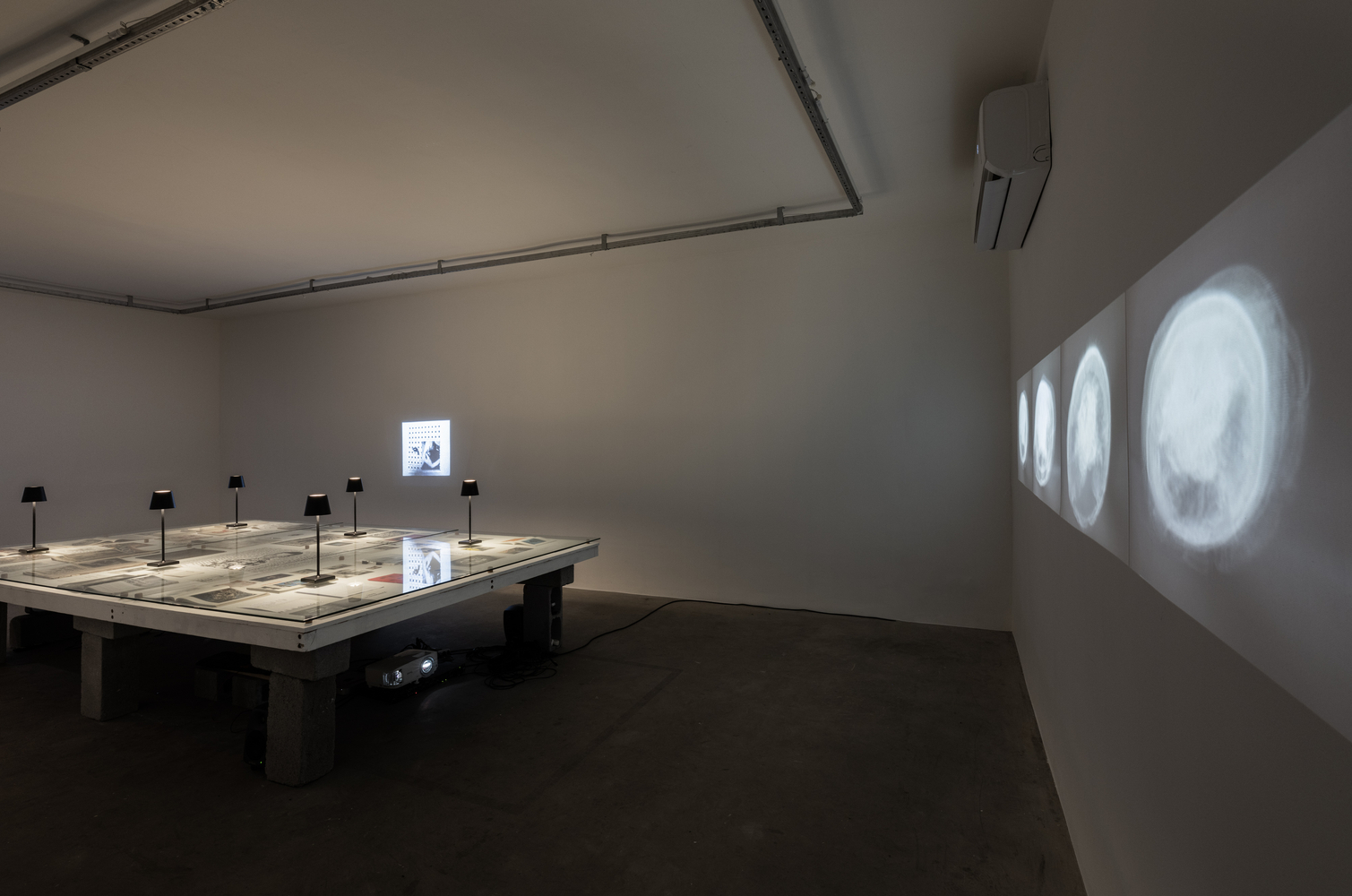
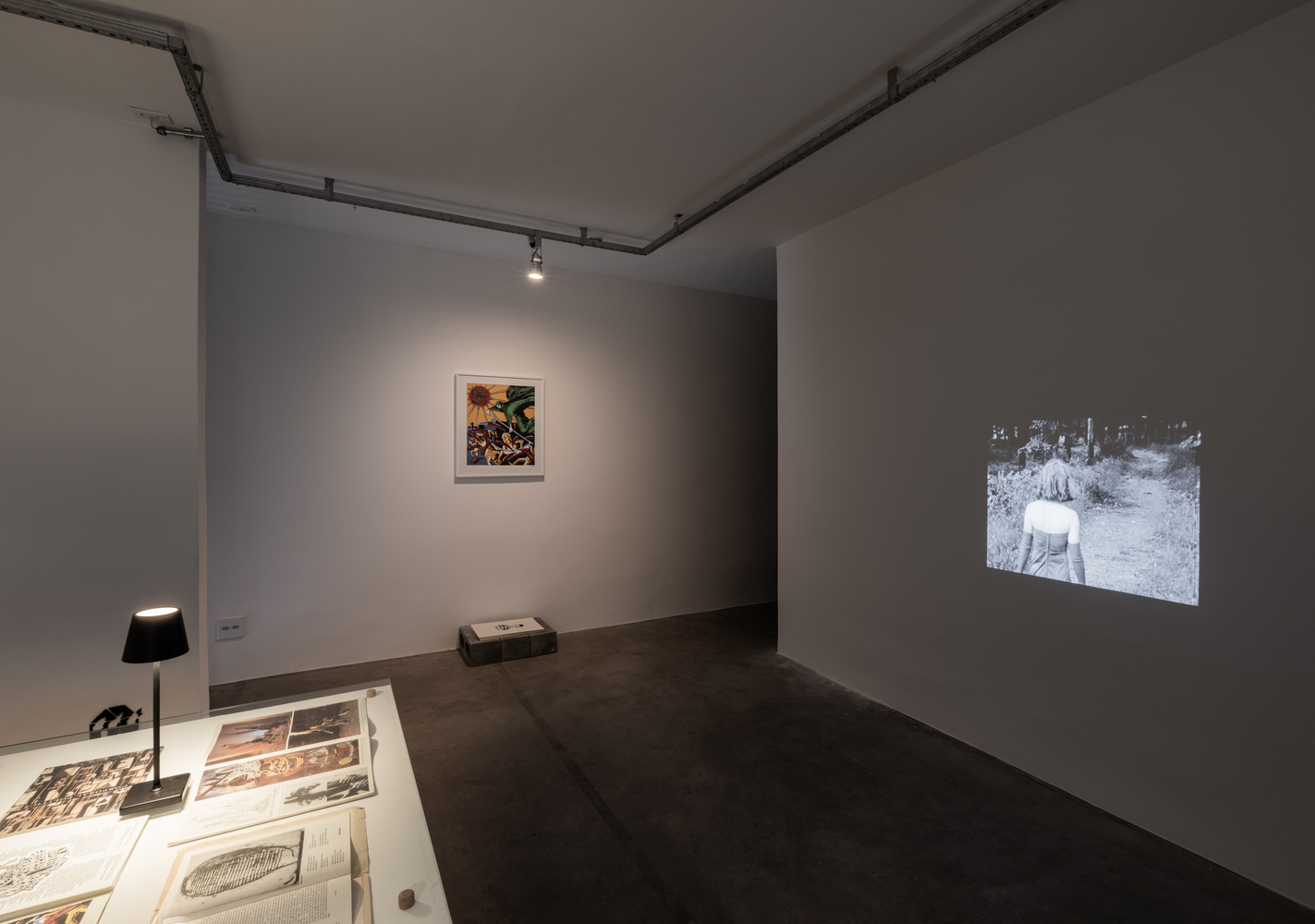
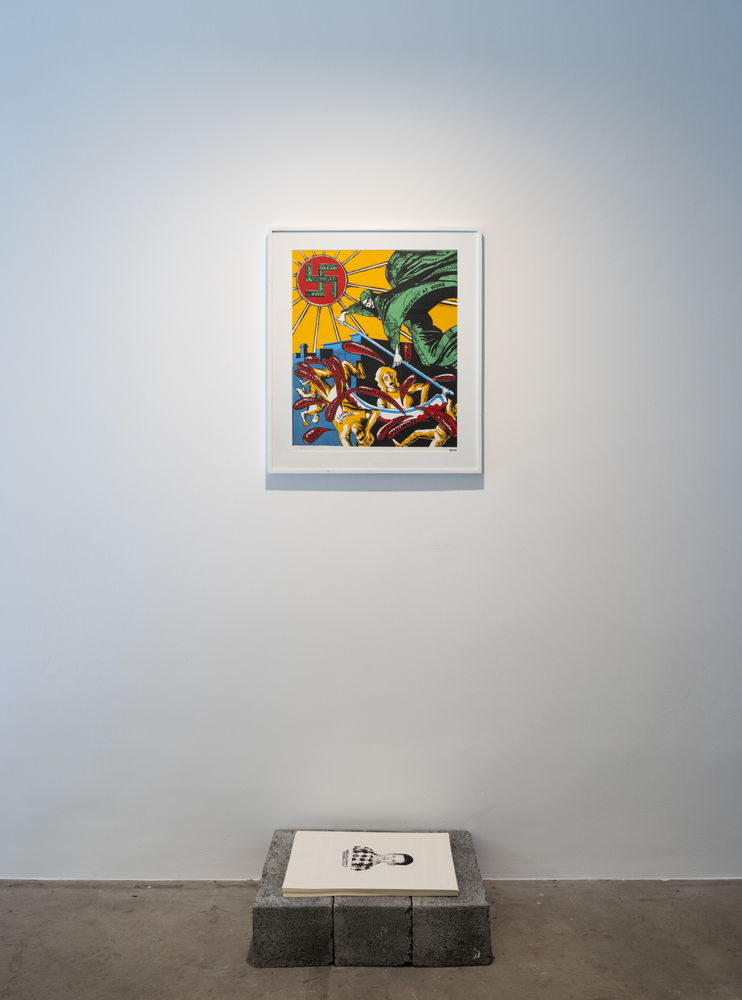
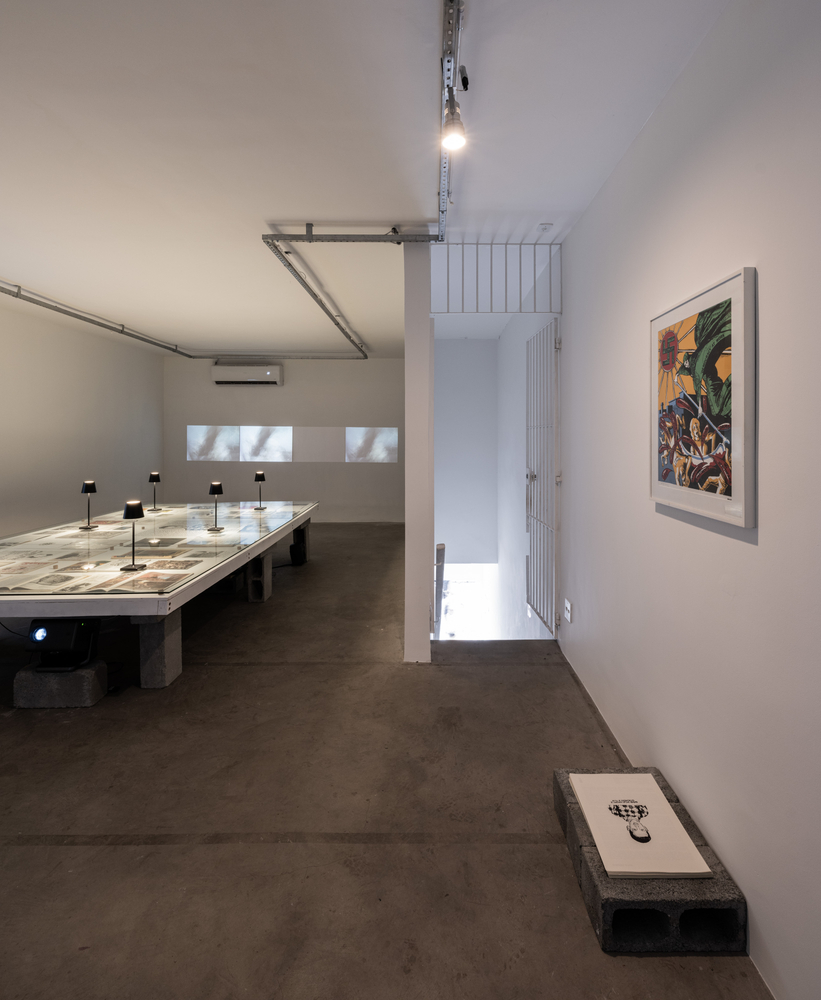
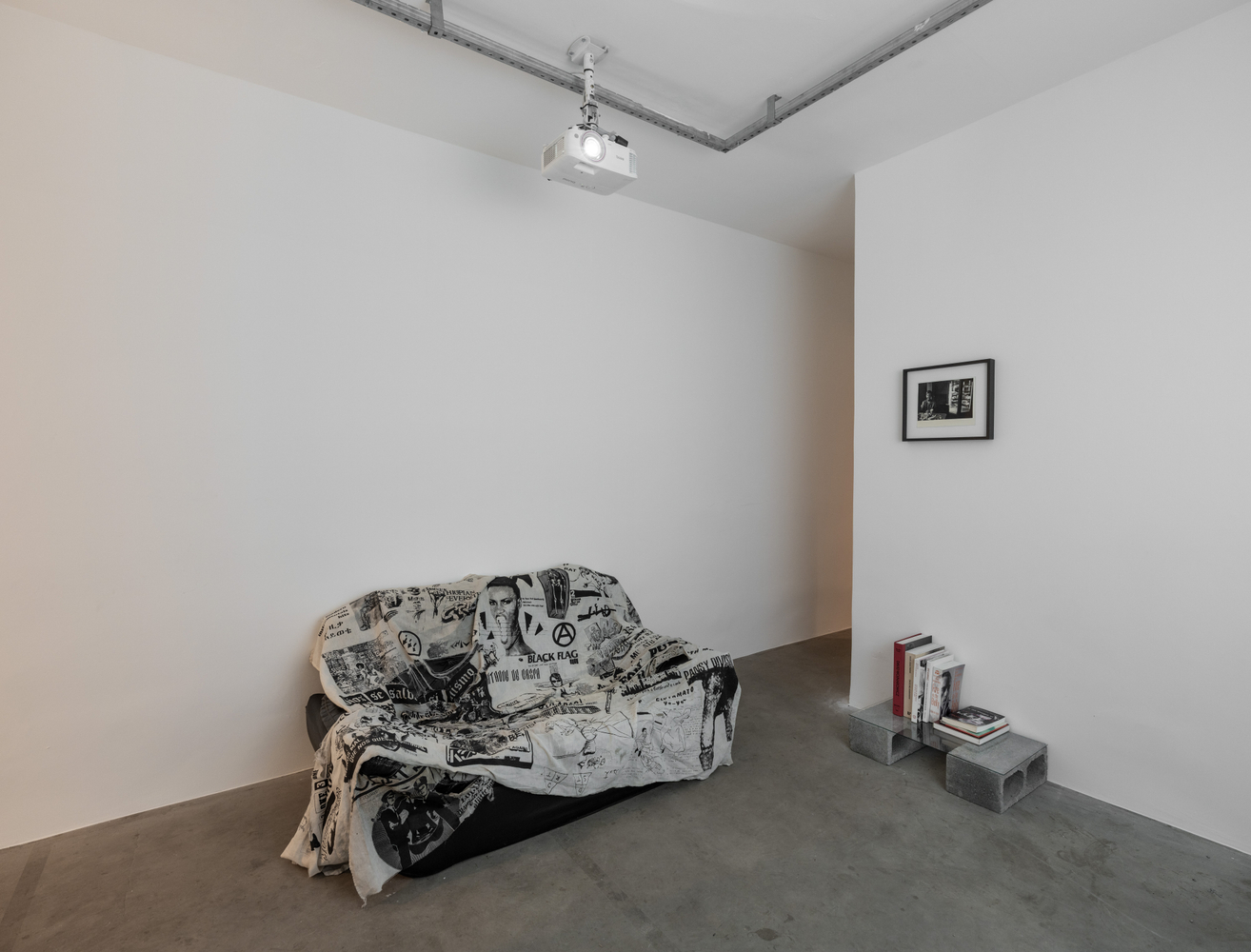
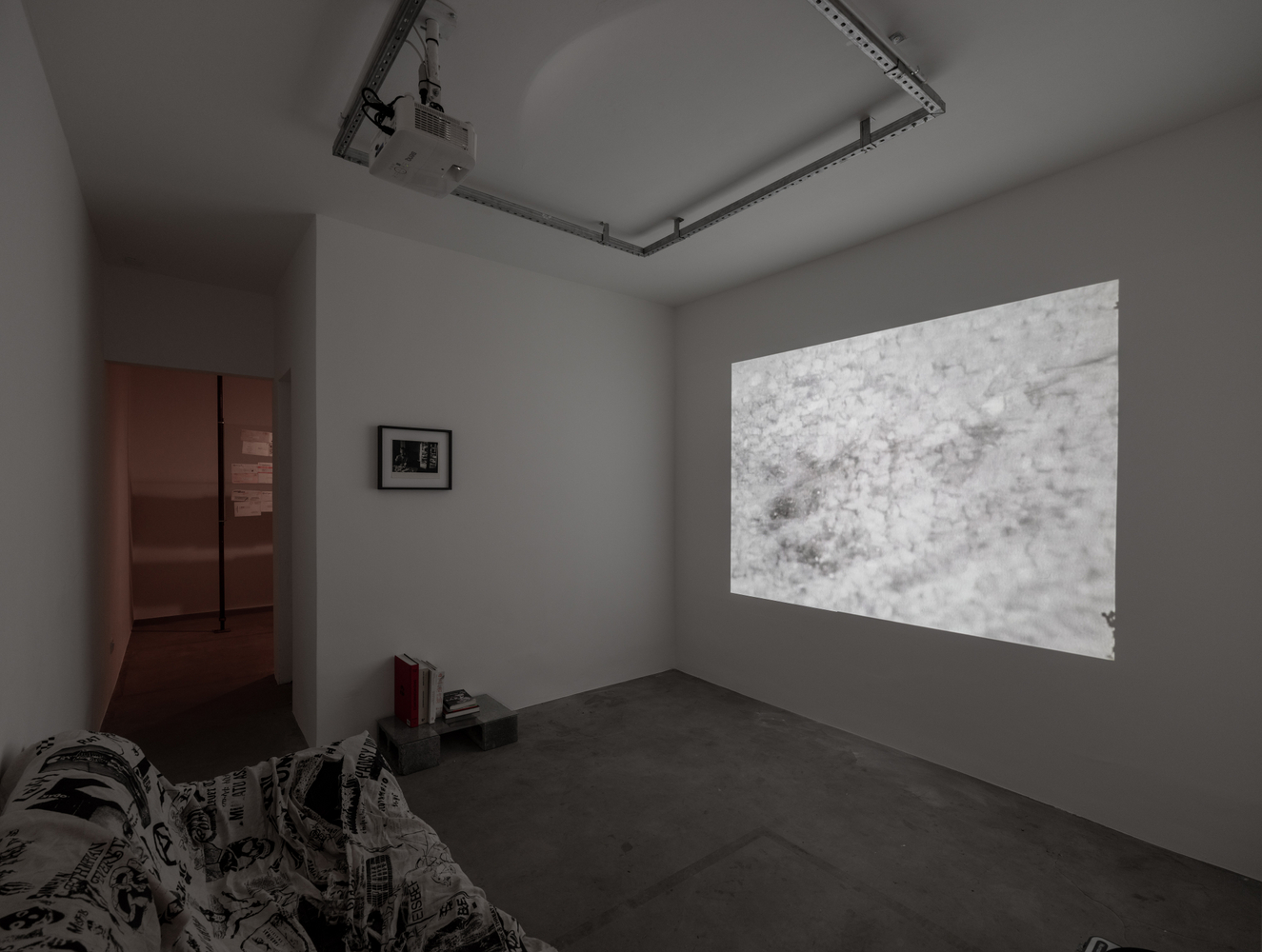
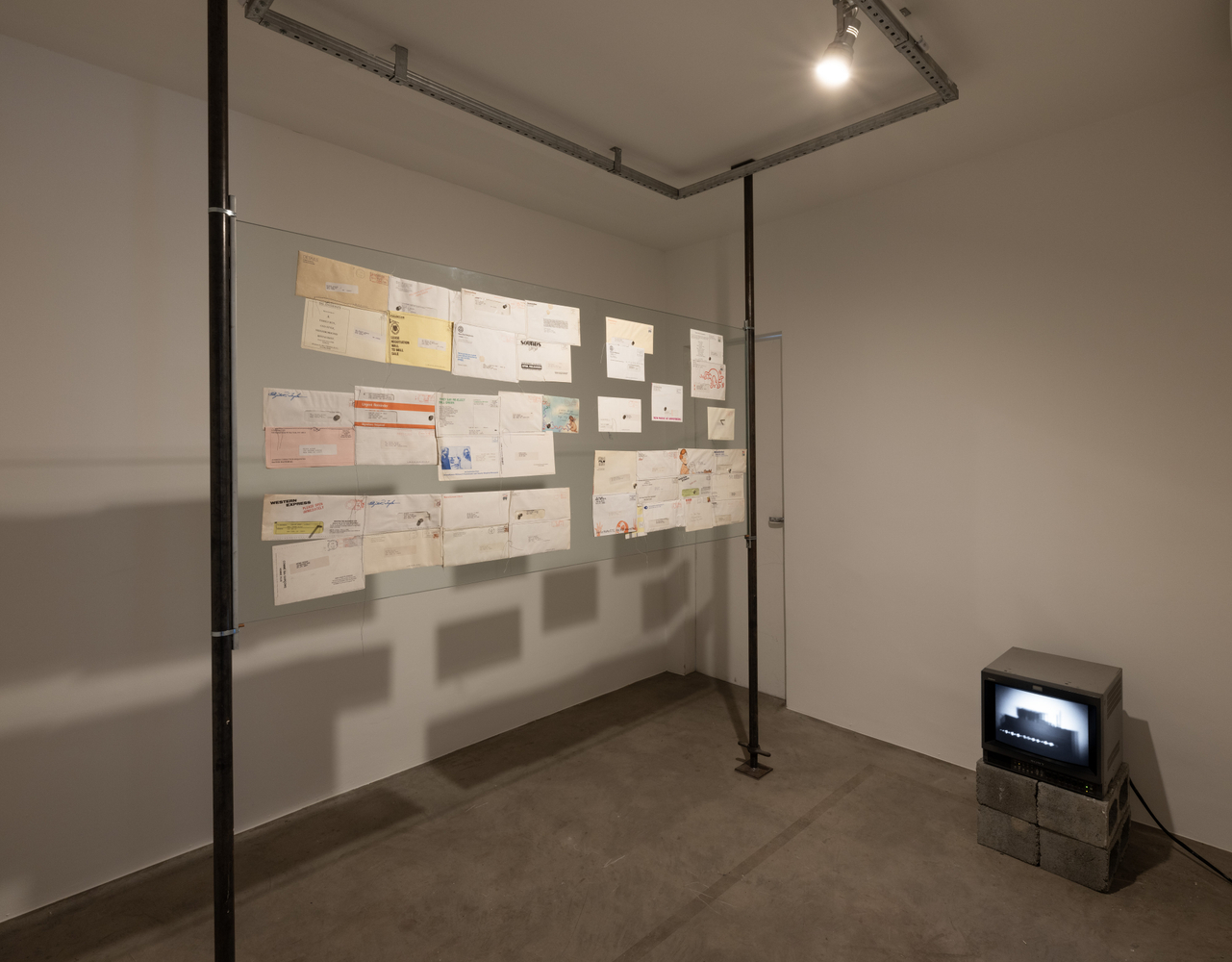
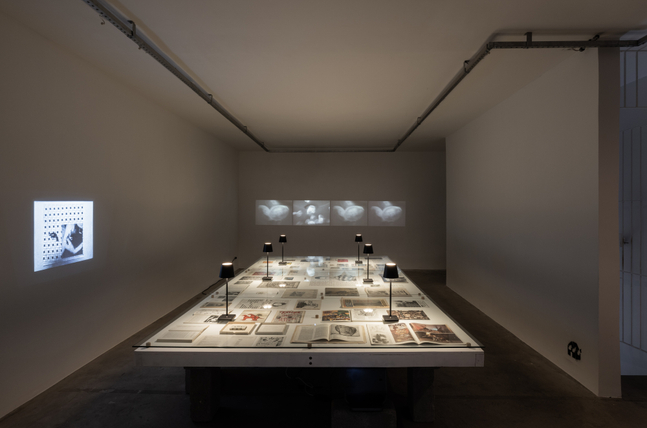
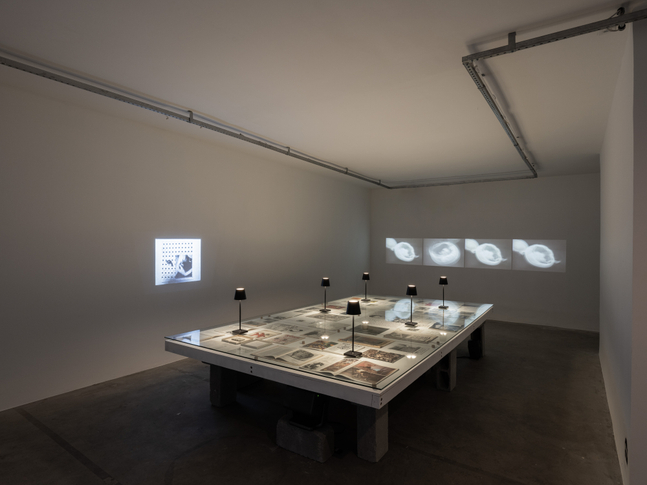
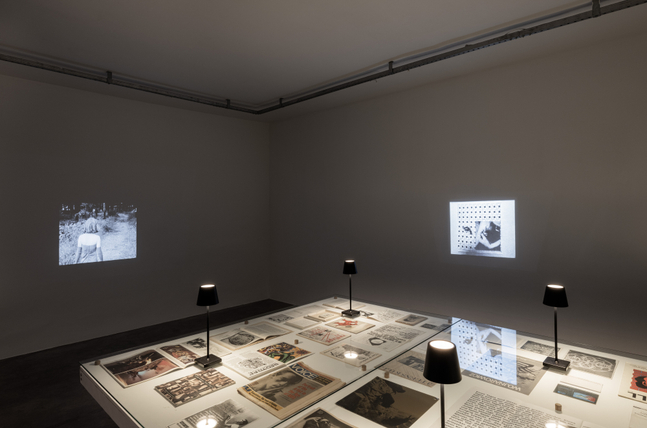
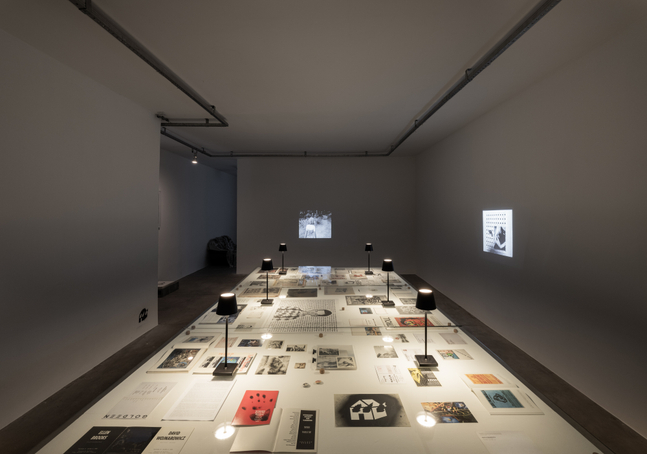
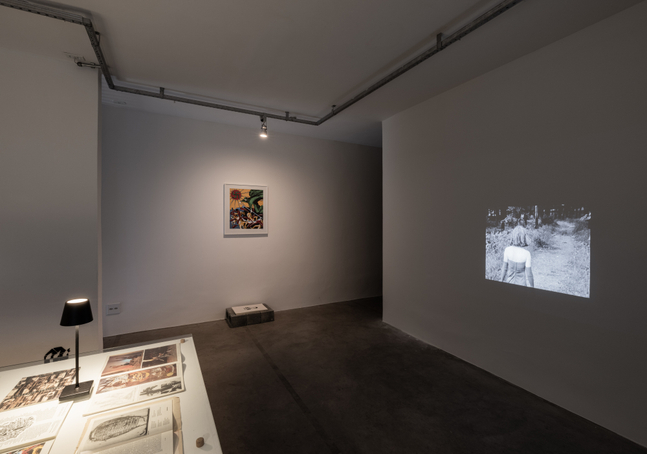
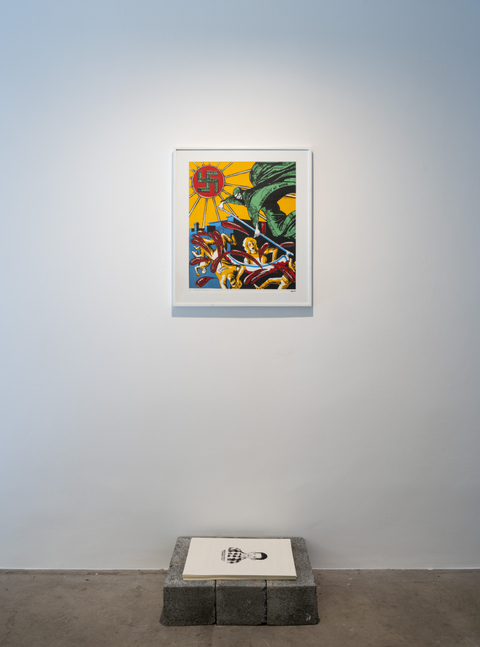
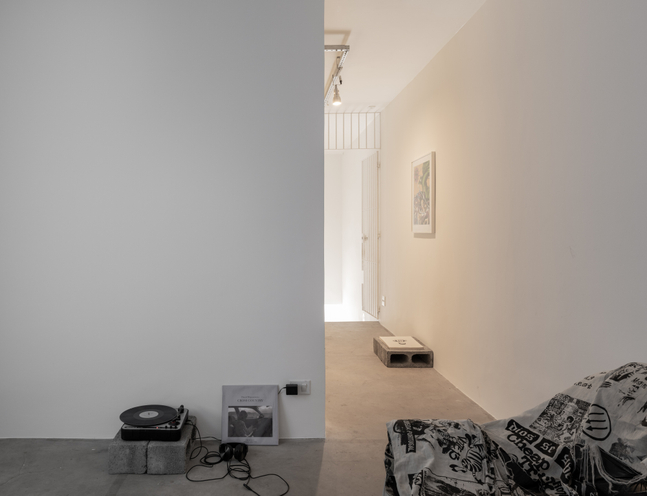
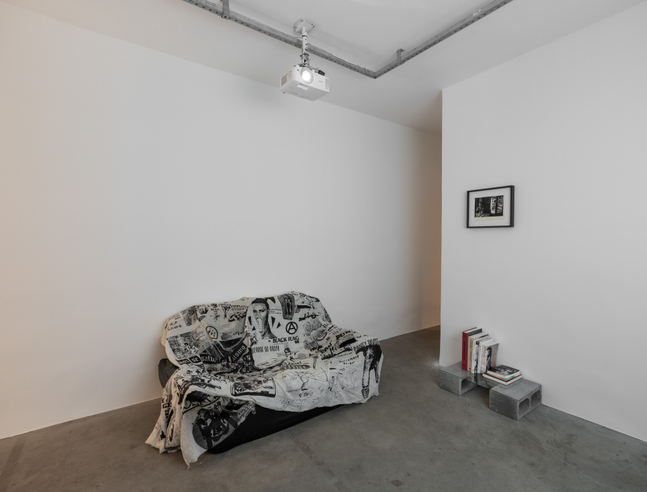
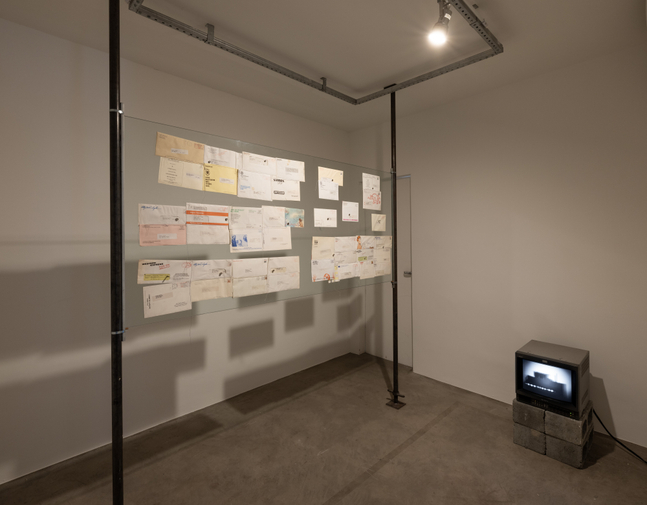
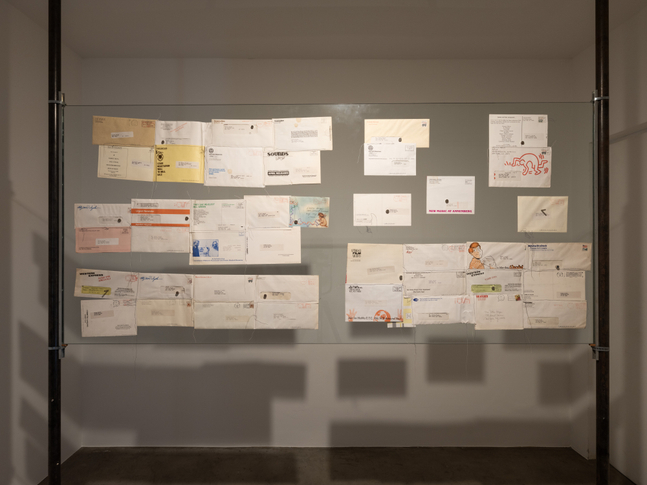
Ephemera & Film marks the first exhibition of David Wojnarowicz in Brazil. It focuses on films and archival materials collected over the past decade as part of the Moraes-Barbosa Collection, including photographs, test prints, invitation cards, publications, silkscreens, and 16mm and Super 8 films. Together, these materials trace an artistic practice rooted in the intersections of personal history, political resistance, and cultural critique.
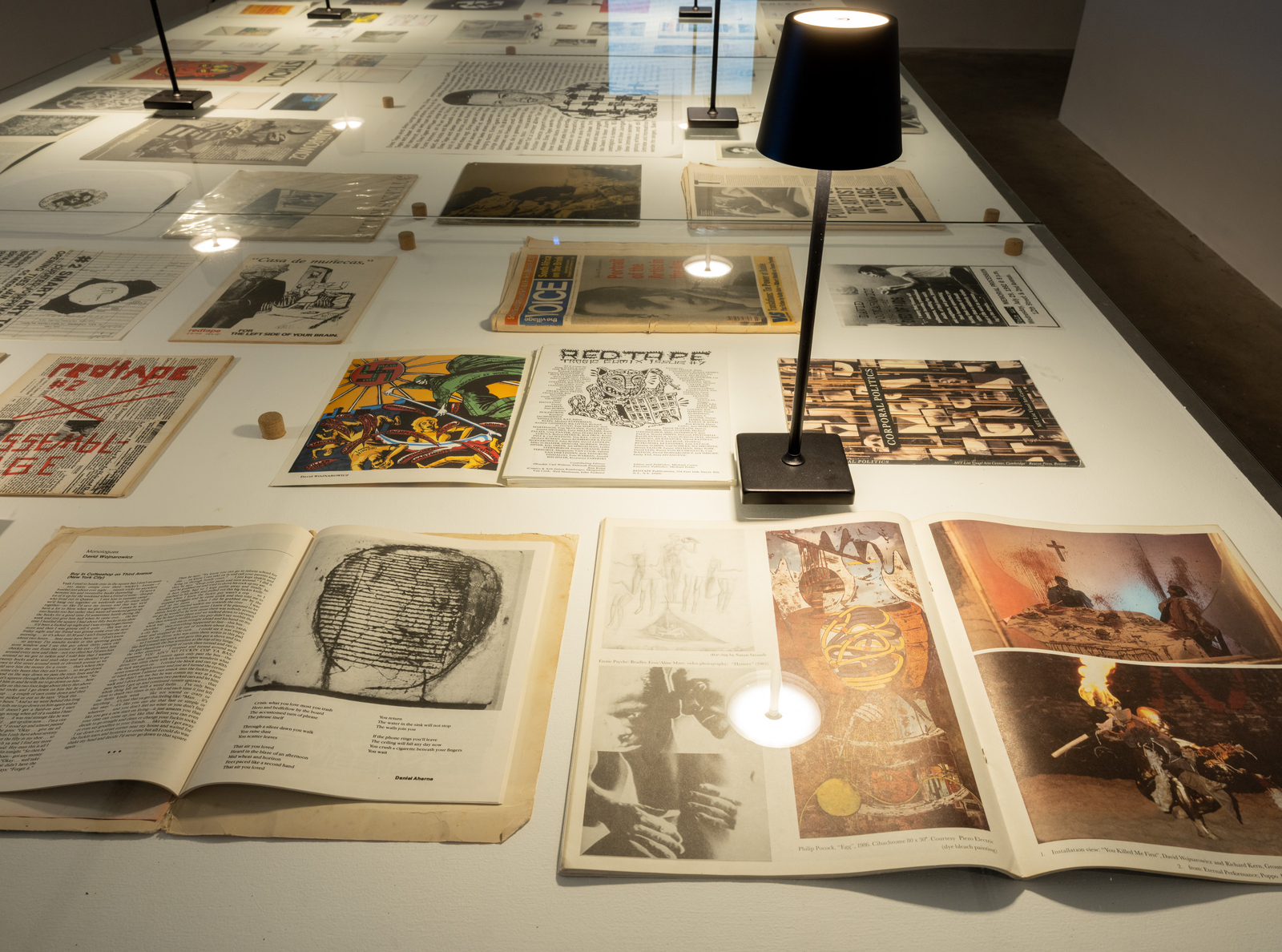
David Wojnarowicz: Ephemera & Film (Installation View) coleção moraes-barbosa, São Paulo, Brazil, January 24 – March 21, 2026. Photo: Ding Musa.
Born in New Jersey in 1954, Wojnarowicz received no formal art education after graduating from Manhattan’s High School of Music and Art. His circle of friends and collaborators such as Nan Goldin, Kiki Smith, Peter Hujar, Ben Neill, among others, encouraged a spirit of experimentation that defined his open, hybrid approach. His work continually wove together cultural, aesthetic, and political threads.
Photography formed a central pillar of his practice. His breakthrough series “Arthur Rimbaud in New York” 1978–1979, shot with a 35mm camera, features friends wearing a mask of the nineteenth-century French poet as they pose in urban locations across Manhattan and Brooklyn. The series collapses historical and contemporary time, merging Rimbaud’s mythic persona with the gritty realities of New York’s queer subcultures. Many of these urban spaces—Times Square, the Hudson River piers—were drawn from Wojnarowicz’s own life, from his youth as a street hustler to his later wanderings among the city’s industrial ruins. Through such juxtapositions, he created a poetics of time, identity, and survival.
The death of his friend, mentor, and former lover, photographer Peter Hujar, from AIDS-related complications in 1987 marked a turning point in Wojnarowicz’s work. His video “Fragments for a Film About Peter Hujar” 1987–1988, stands as a poignant and incomplete elegy to Hujar. Confronting his own diagnosis soon after, Wojnarowicz’s art took on an overtly political urgency, as he entered public debates on medical research, censorship, and the rights of artists living with HIV/AIDS.
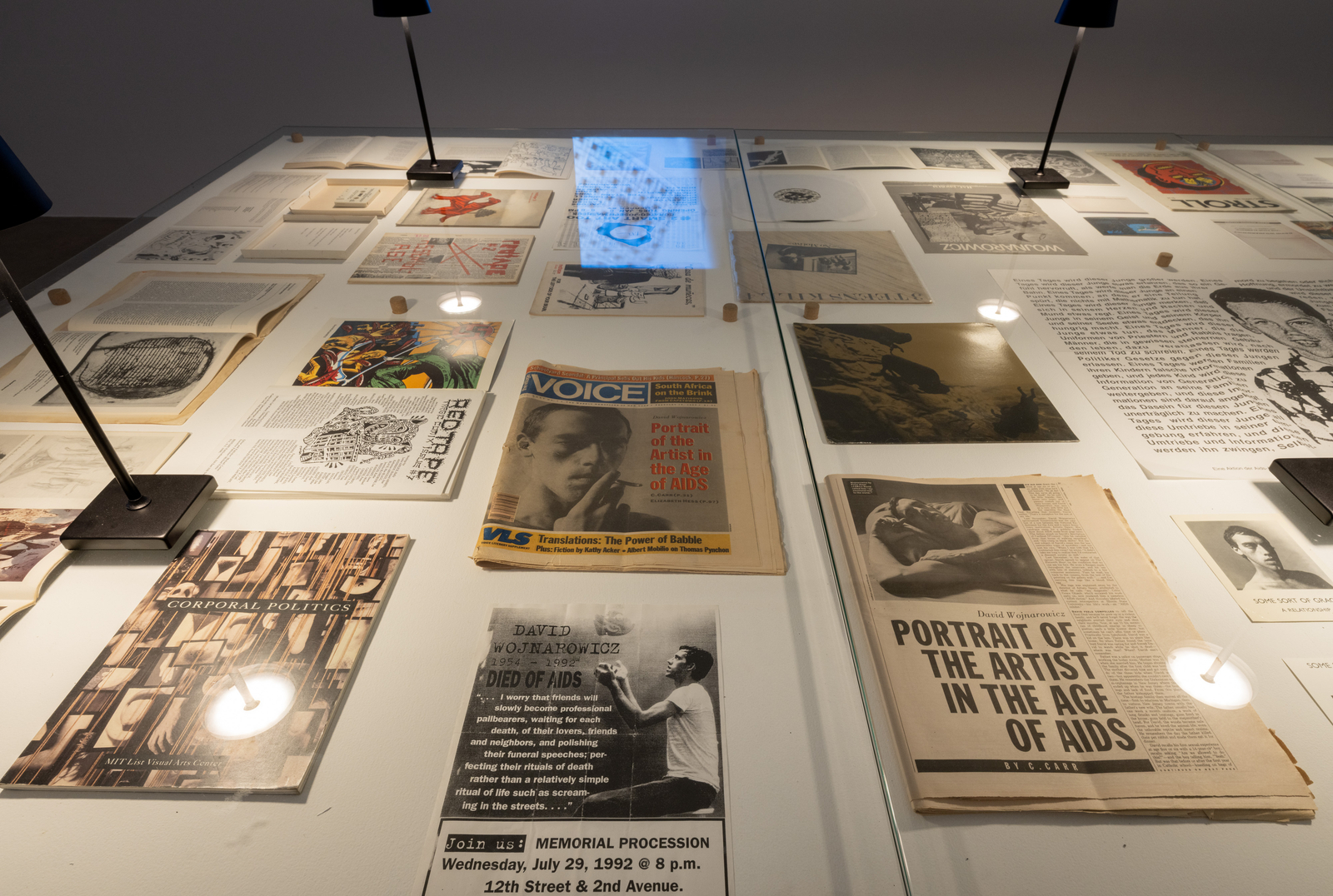
David Wojnarowicz: Ephemera & Film (Installation View) coleção moraes-barbosa, São Paulo, Brazil, January 24 – March 21, 2026. Photo: Ding Musa.
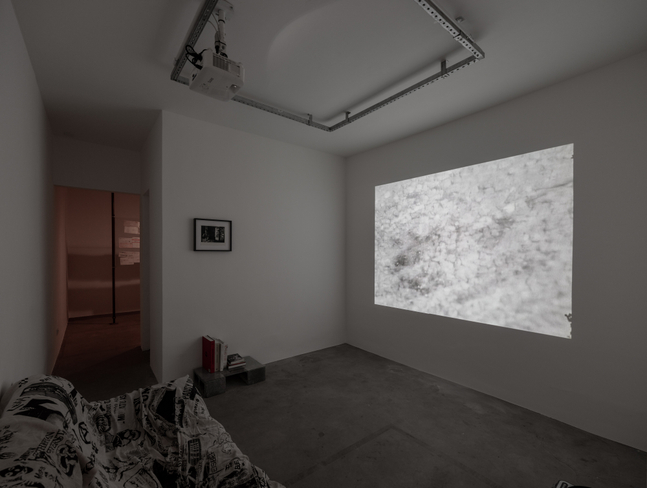
Throughout his practice, recurring symbols and metaphors such as maps, elements, industrial landscapes, religious and mythological imagery reflect his deep concern for humanity, animals, and the natural world. The four-channel video “ITSOFOMO (In the Shadow of Forward Motion)” 1989, with its image of a snake approaching a mouse, evokes a universal struggle for survival. Similarly, “A Fire in My Belly” 1986–1987, meditates on cultural and spiritual identity. Filmed in Mexico City on 25 rolls of Super 8, the work captures fragments of social life, including the haunting image of a child performing as a fire-breather—an echo of Wojnarowicz’s own past. The artist later intercut this footage with staged sequences filmed in his New York apartment: coins dropping into a plate of blood, a dancing marionette with a gun, and the now-iconic self-portrait with his lips sewn shut. Though never completed, “A Fire in My Belly” remains one of his most visceral and emblematic works.
Ephemera & Film reflects on Wojnarowicz as both artist and activist during a time of profound political and personal upheaval. The exhibition highlights a practice that continues to resonate—offering inspiration to subsequent generations and renewed relevance in cities like São Paulo, where questions of visibility, identity, and resistance remain deeply urgent.
-Krist Gruijthuijsen, curator
David Wojnarowicz: Ephemera & Film (Installation View) coleção moraes-barbosa, São Paulo, Brazil, January 24 – March 21, 2026. Photo: Ding Musa.
David Wojnarowicz: Ephemera & Film (Installation View) coleção moraes-barbosa, São Paulo, Brazil, January 24 – March 21, 2026. Photo: Ding Musa.
David Wojnarowicz: Ephemera & Film (Installation View) coleção moraes-barbosa, São Paulo, Brazil, January 24 – March 21, 2026. Photo: Ding Musa.
David Wojnarowicz: Ephemera & Film (Installation View) coleção moraes-barbosa, São Paulo, Brazil, January 24 – March 21, 2026. Photo: Ding Musa.
David Wojnarowicz: Ephemera & Film (Installation View) coleção moraes-barbosa, São Paulo, Brazil, January 24 – March 21, 2026. Photo: Ding Musa.
David Wojnarowicz: Ephemera & Film (Installation View) coleção moraes-barbosa, São Paulo, Brazil, January 24 – March 21, 2026. Photo: Ding Musa.
David Wojnarowicz: Ephemera & Film (Installation View) coleção moraes-barbosa, São Paulo, Brazil, January 24 – March 21, 2026. Photo: Ding Musa.
David Wojnarowicz: Ephemera & Film (Installation View) coleção moraes-barbosa, São Paulo, Brazil, January 24 – March 21, 2026. Photo: Ding Musa.
David Wojnarowicz: Ephemera & Film (Installation View) coleção moraes-barbosa, São Paulo, Brazil, January 24 – March 21, 2026. Photo: Ding Musa.
David Wojnarowicz: Ephemera & Film (Installation View) coleção moraes-barbosa, São Paulo, Brazil, January 24 – March 21, 2026. Photo: Ding Musa.
David Wojnarowicz: Ephemera & Film (Installation View) coleção moraes-barbosa, São Paulo, Brazil, January 24 – March 21, 2026. Photo: Ding Musa.
David Wojnarowicz: Ephemera & Film (Installation View) coleção moraes-barbosa, São Paulo, Brazil, January 24 – March 21, 2026. Photo: Ding Musa.
David Wojnarowicz: Ephemera & Film (Installation View) coleção moraes-barbosa, São Paulo, Brazil, January 24 – March 21, 2026. Photo: Ding Musa.